Ultra-Processed Foods Definition: What's Changing and What It Means for You
You've probably heard that ultra-processed foods are bad for you. But then you stand in the grocery aisle holding a bag of whole wheat bread or a protein bar and wonder, "Wait, does this count?" You're not alone. Until now, there hasn't been an official ultra-processed foods definition in the U.S. That's about to change, and so is the way doctors, insurers and grocery stores think about food. Here's what's happening, why it matters for your health, and how to eat a little better without overhauling your whole life.

What Is the Ultra-Processed Foods Definition?
Most researchers use a system called NOVA, which sorts food into four groups by how much it's been processed:
Unprocessed or minimally processed: fresh fruits and veggies, eggs, plain yogurt, rice, beans, fresh meat and fish.
Processed culinary ingredients: olive oil, butter, salt, honey.
Processed foods: simple foods made with a few ingredients, like canned beans, cheese or fresh-baked bread.
Ultra-processed foods: products made mostly from refined ingredients and additives you wouldn't cook with at home, like flavor enhancers, emulsifiers and artificial colors. Think soda, chips, packaged cookies, many frozen meals and sugary cereals.
A quick tip: if the ingredient list is long and full of words you wouldn't find in a kitchen, it's likely ultra-processed.

Why a New Federal Definition Matters
In August 2026, the U.S. Department of Health and Human Services and USDA submitted the first proposed federal definition of ultra-processed foods for final review. The details aren't public yet, but once it's final, it could shape school lunches, food labels and research for years.
It builds on other big changes. The 2025 to 2030 Dietary Guidelines for Americans now advise avoiding highly processed foods instead of just "eating them in moderation." Some states, including California, are already setting rules for ultra-processed foods in schools.
Food companies are paying attention too. Many are removing artificial dyes and high fructose corn syrup and launching simpler versions of familiar products.
Why Ultra-Processed Foods Affect Your Health
Ultra-processed foods make up about 53% of the calories U.S. adults eat, according to the CDC. For kids, it's nearly 62%.
That matters because these foods are easy to overeat. In one NIH study, people ate about 500 more calories a day on an ultra-processed diet than on a minimally processed one, even though both diets offered the same nutrients. High intake is also linked to type 2 diabetes and heart disease.
This is where "food as medicine" comes in. The idea is simple: what you eat every day can help prevent and manage health conditions. More health plans now cover things like dietitian visits and medically tailored meals because good food can lower healthcare costs.
How to Eat Less Ultra-Processed Food (Without Stress)
You don't need to be perfect. Small swaps, done consistently, add up.
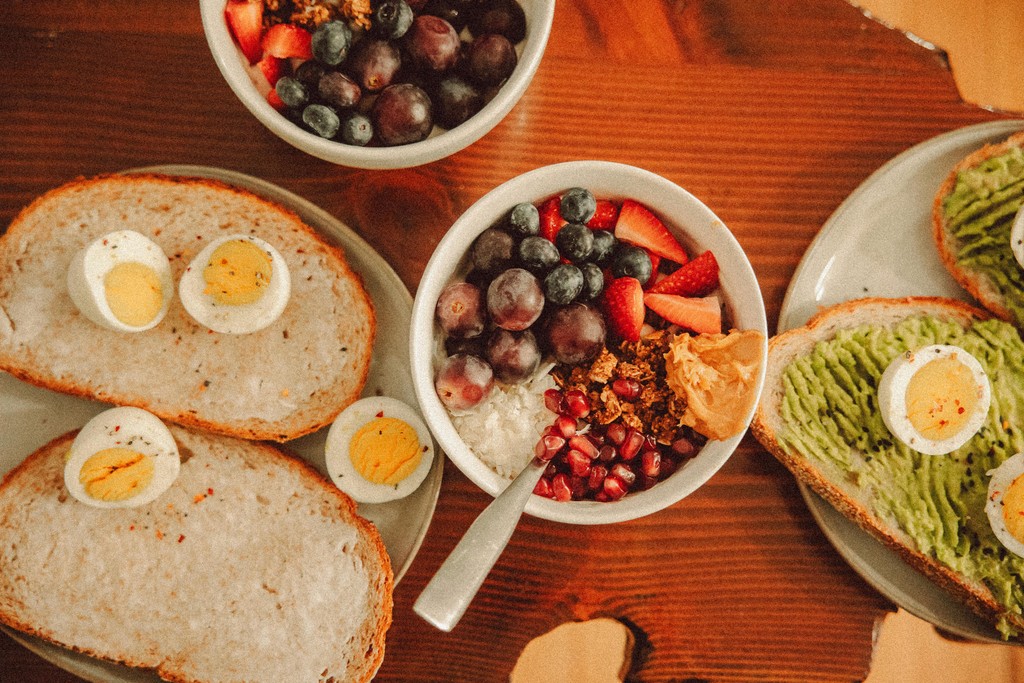
Upgrade your snacks. Swap chips for nuts, fruit with peanut butter, or plain Greek yogurt with berries.
Rethink your drinks. Sparkling water with a squeeze of citrus beats soda.
Choose simpler versions. Plain oats instead of flavored packets. Bread with a short ingredient list.
Cook in batches. Roast a tray of veggies and a protein on Sunday to cover a few lunches.
Read the first five ingredients. If they're whole foods, you're on the right track.
Don't fear every package. Frozen veggies, canned beans and bagged salad are convenient and healthy.
A sample day might look like oatmeal with fruit for breakfast, a grain bowl with chicken and veggies for lunch, an apple and almonds for a snack, and salmon with roasted potatoes for dinner.

When to Get Expert Help
If you're managing diabetes, high blood pressure, pregnancy, or taking a GLP-1 medication, food choices matter even more. A registered dietitian can help you build a plan that fits your health, budget and taste, so changes actually stick.
How Nurish'd Makes It Easier
Nurish'd connects you with registered dietitians who understand real life, and many users are eligible for coverage through insurance. You can also order ready-to-heat balanced meals and use the Nurish'd Score to compare foods at a glance. Not sure where to start? The free nutrition assessment takes just a few minutes.
The Bottom Line
The new ultra-processed foods definition is a sign of a bigger shift: food is finally being treated as part of health care. You don't have to wait for a rule to benefit. Start with one swap this week, then another next week.
Frequently Asked Questions
What is the definition of ultra-processed foods?
Ultra-processed foods are industrial products made mostly from refined ingredients and additives like flavorings, emulsifiers and colors. A federal ultra-processed foods definition was proposed in 2026 and is awaiting final review.
What's the difference between processed and ultra-processed foods?
Processed foods are simple foods changed with a few ingredients, like cheese or canned beans. Ultra-processed foods contain ingredients you wouldn't use at home and are built for convenience and long shelf life.
Are all packaged foods ultra-processed?
No. Frozen vegetables, canned beans, plain yogurt and bagged salad are packaged but minimally processed. Check the ingredient list.
Does insurance cover a dietitian to help me eat healthier?
Many plans do, especially for conditions like diabetes or heart disease. You can check your eligibility before your first visit.