Microbiome Testing: What It Can and Can’t Tell You About Everyday Nutrition
Gut health has become one of the biggest wellness conversations of the last decade, and for good reason. The gut microbiome, which includes the bacteria and other microorganisms living mostly in the colon, plays a role in how the body interacts with food. Diet is one of the major factors that can shape the gut microbiome, alongside genetics, medication use, environment, sleep, stress, and health status. That growing interest has led to a wave of at-home microbiome testing kits. These tests usually ask you to send in a stool sample, then return a report describing which microbes were detected, how your sample compares with a reference group, and what foods or supplements you may want to consider.
What Is Microbiome Testing?
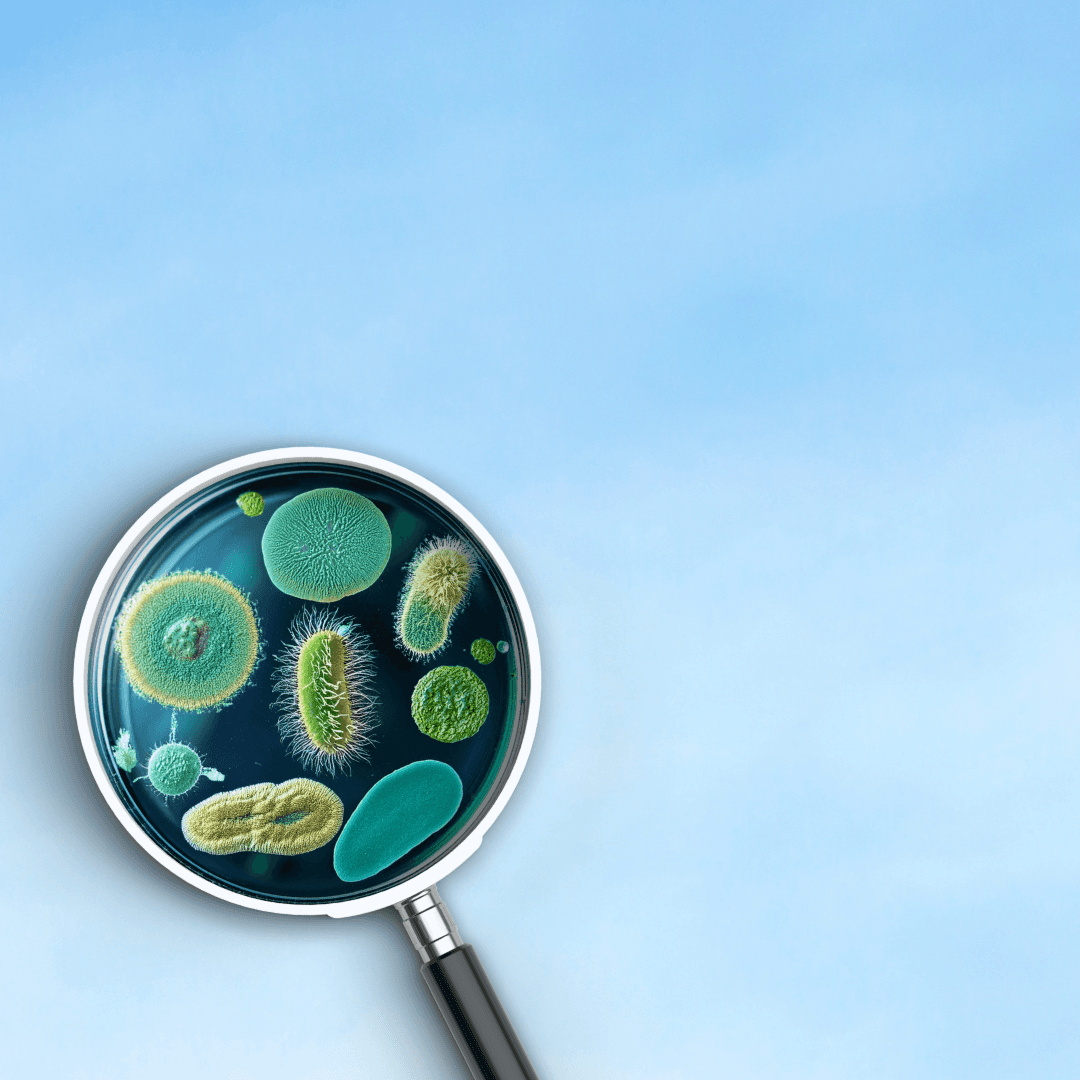
Microbiome testing is a lab analysis that looks at microorganisms in a sample, most often stool. Many at-home gut microbiome tests use DNA sequencing to identify bacteria and sometimes other organisms present in the sample. The report may describe microbial diversity, relative abundance of certain bacteria, possible digestive functions, and suggested foods that may support gut health.
The key phrase is “snapshot.” Because your microbiome is dynamic, it can shift with what you ate recently and other everyday factors. Harvard’s Nutrition Source notes that the microbiome can fluctuate daily, weekly, and monthly, and that scientists are still in the early stages of understanding how broad microbiome patterns translate into health outcomes.
This does not mean microbiome testing is useless. It means the results should be interpreted with care. A test may show patterns that are interesting, such as low microbial diversity or lower levels of bacteria associated with fiber fermentation. But those patterns do not automatically translate into a diagnosis or a highly specific meal plan. These patterns should be treated as clues instead of conclusions.
Why Do Microbiome Testing?
There are many reasons someone might try an at-home microbiome testing kit. Some people are curious about recurring digestive symptoms, while others want to better understand how their current diet may be supporting, or not supporting, their gut health. For many, the appeal is the idea of getting a more personalized look at what is happening inside the gut.
A microbiome report can be a helpful starting point. It may encourage you to look more closely at your fiber intake and add more variety to your meals.
That said, microbiome testing should not be treated as a diagnosis or a complete explanation for digestive issues. If you are dealing with ongoing symptoms, the most responsible next step is to use the results as part of a bigger conversation with a healthcare provider or dietitian, rather than making major diet changes based on the report alone.
What Microbiome Testing Can Tell You
Microbiome testing can tell you which organisms were detected in the submitted stool sample and their relative abundance according to that company’s method. It may also estimate diversity, identify broad patterns, and suggest how your sample compares with the company’s database. For someone who enjoys data, this can be engaging and educational.
Testing may also help you notice whether your gut health goals are too narrow. For example, many people jump straight to probiotic supplements, but gut support often starts with the foods that feed microbes. Prebiotics are nondigestible food components that stimulate the growth or activity of desirable microorganisms, while probiotics are microorganisms intended to provide health benefits. Different probiotic strains can have different effects, so one strain’s benefit does not mean all probiotics will work the same way.
This is where a dietitian can be useful. Instead of reacting to every number in a report, a dietitian can help connect the results with your actual meals. That matters because a gut healthy food is only helpful if it is what your body needs.
Where to Get Microbiome Tests
Microbiome tests are available through direct-to-consumer wellness companies, some clinician-ordered labs, and research programs. If you choose an at-home test, it is worth looking for transparency. A credible company should clearly explain what method it uses, what organisms it can and cannot detect, how results are interpreted, and whether its recommendations are evidence-based.
Nurish’d offers premium at-home microbiome testing kits that can be ordered directly to your door. Once you complete your test and receive your Gutcheck analysis report, you can review your results with a Registered Dietitian who can help you understand what they mean in real life.
This is where microbiome testing can become more useful. Instead of receiving a report and wondering what to do next, Nurish’d helps connect your results to practical nutrition support. Your dietitian can help you identify what areas to focus on, and your Nurish’d meal plan can be tailored with ingredients that support your gut health goals.
How to Use Microbiome Results Responsibly
Use microbiome results as a prompt for sustainable habits, not as a reason to overhaul your diet overnight. If your report points toward low fiber intake or low diversity, the safest first move is often gradual. Add more plant foods in a way your gut can tolerate. Try oats for breakfast, lentils in soup, berries with yogurt, roasted vegetables at dinner, or chia seeds stirred into a smoothie. Introduce changes slowly, especially if you are prone to bloating, IBS symptoms, or food sensitivity.
Fermented foods may also be helpful for some people. Harvard lists yogurt with live active cultures, kefir, kimchi, miso, tempeh, sauerkraut, and some pickled vegetables as foods that may contain live microbes, while noting that heat-treated fermented foods may not contain live microorganisms.
Most importantly, do not let a test make eating feel more stressful. Your microbiome does not need perfection. It needs variety and enough nourishment to support the microbes already living there.
The Nurish’d Takeaway
Microbiome testing is exciting because it points toward a future where nutrition may become more personalized. But for everyday eating, the most useful advice is still grounded in the basics: eat enough fiber, include a variety of plant foods, and consider fermented foods if tolerated.
Nurish’d can help bridge that gap between science and real life. Whether someone is curious about gut health, trying to eat more balanced meals, or looking for dietitian-informed support, Nurish’d makes nutrition feel practical rather than overwhelming. A microbiome report might give you data, but your daily meals are where change actually happens.
FAQs
Can a microbiome test tell me exactly what to eat?
Not exactly. A test may suggest foods based on your microbial profile, but current consumer tests are not precise enough to prescribe a perfect diet. Use results as a starting point, then focus on sustainable habits like fiber, plant variety, and meals you can tolerate.
Do I need a microbiome test to improve gut health?
No. Most people can support gut health without testing by gradually increasing fiber-rich foods, eating a variety of plants, reducing ultra-processed foods, and including fermented foods if they tolerate them. Diet is one of the major factors shaping the microbiome.
Should I take probiotics based on my microbiome test?
Not automatically. Probiotics are strain-specific, and different strains can have different effects. People with serious health conditions or compromised immune systems should talk with a healthcare provider before using probiotic supplements.
Is microbiome testing the same as medical gut testing?
No. Consumer microbiome tests are usually wellness tools. Medical testing for digestive symptoms, infections, inflammation, or other concerns should be ordered and interpreted by a healthcare professional.