Microbiome Testing for IBS | Nurish'd
Microbiome Testing for IBS: Understanding Your Gut's Role in Irritable Bowel Syndrome
Irritable bowel syndrome affects up to 15% of adults — and for many people, years of symptoms pass without an explanation of what's actually happening in their gut. Microbiome testing offers a new lens on IBS: identifying the specific bacterial imbalances, low diversity, and microbial patterns that correlate with IBS symptom subtypes. At Nurish'd, your microbiome results are reviewed by a registered dietitian who specializes in GI conditions — turning a data report into a targeted dietary strategy for your specific IBS profile.
Order Your Test Kit







The Microbiome-IBS Connection
Research consistently shows that people with IBS have measurably different gut microbiome profiles compared to those without — typically lower microbial diversity, alterations in Firmicutes/Bacteroidetes ratios, reduced butyrate-producing bacteria, and in some cases elevated Proteobacteria associated with gut inflammation.
The relationship between microbiome and IBS subtype matters:
IBS-D (diarrhea-predominant): Often associated with altered bile acid metabolism and specific bacterial shifts that increase gut motility
IBS-C (constipation-predominant): Associated with different microbial patterns affecting gut transit and SCFA production
IBS-M (mixed): Most variable microbiome profile, often requiring the most individualized dietary approach
Microbiome testing doesn't diagnose IBS — but it identifies which microbial patterns may be driving or worsening your symptoms, guiding dietary interventions more precisely than symptom history alone.
What a Microbiome Test Reveals About Your IBS

How Microbiome-Guided Nutrition Improves IBS Outcomes
The low-FODMAP diet is the most evidence-backed dietary intervention for IBS — but it's a temporary elimination protocol, not a permanent eating pattern. Microbiome testing helps guide what comes after low-FODMAP: which FODMAPs to reintroduce, which prebiotic fibers are safe, and which dietary strategies will support long-term gut health without unnecessary restriction.
A Nurish'd RD uses your microbiome results to:
Determine whether low-FODMAP is the right starting point for your IBS subtype
Identify specific fiber types and prebiotic foods that support your depleted species
Guide FODMAP reintroduction based on your microbial profile
Build a long-term dietary pattern that manages symptoms while improving gut health — not just restricting to manage symptoms
The goal is always the most generous, nutritionally complete diet that keeps your IBS under control.
Get Started with Your Microbiome Test
Is the microbiome test covered by insurance?
Microbiome testing is typically not covered by traditional health insurance. However, Nurish'd microbiome tests are HSA and FSA eligible — meaning you can use your pre-tax health savings account or flexible spending account dollars to cover the cost and reduce your effective out-of-pocket expense.
Good news on the clinical side: the registered dietitian sessions that accompany your results through Nurish'd are billable to most major insurance plans for qualifying diagnoses (diabetes, CKD, heart disease, obesity, eating disorders, and more). Many patients pay little to nothing for their RD sessions while paying out-of-pocket or through HSA/FSA for the test itself.
Ready to get started? Here's how:
New to Nurish'd?
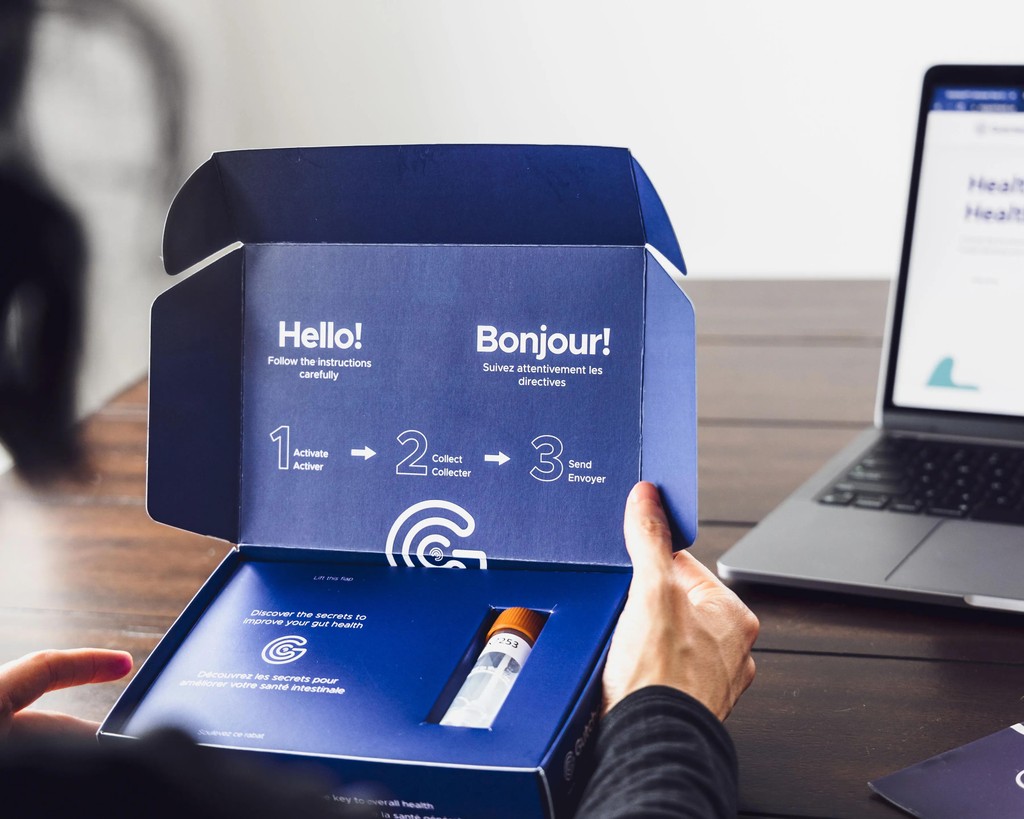
Create your free account and order your microbiome test — receive your kit, complete your sample at home, and have results uploaded directly to your account. Book an RD session to interpret your results and build your personalized nutrition plan. HSA/FSA cards accepted at checkout.
Already a Nurish'd member?
Purchase your microbiome test here — your results sync automatically to your account. HSA/FSA eligible.
Want to learn more before you commit?
Explore our microbiome testing page — what we test for, how the process works, and what your results include.
Nurish'd is the only platform where your microbiome test results connect directly to a registered dietitian's interpretation and a personalized meal plan. The test is the starting point — what you do with the results is what changes your health.
What Happens After Your Microbiome Test