Microbiome Testing for Anxiety and Depression | Nurish'd

Microbiome Testing for Anxiety and Depression: The Gut-Brain Connection

The idea that gut health affects mental health has moved from fringe to mainstream science over the past decade. The gut-brain axis — a bidirectional communication network linking your gut microbiome to your central nervous system — is now recognized as a significant factor in mood regulation, stress response, and anxiety. For people dealing with anxiety or depression, microbiome testing offers a way to assess whether gut-level imbalances may be contributing to their mental health symptoms, and dietary intervention guided by those results can be a meaningful part of a comprehensive support strategy.

Order Your Test Kit
Join thousands getting expert dietitian support for:

$0*

*Dependent on your plan's coverage and co-pay structure.

How Gut Bacteria Influence Anxiety and Depression

Several well-documented mechanisms link gut microbiome composition to mental health:

Serotonin production: Approximately 90–95% of the body's serotonin is produced in the gut, heavily influenced by gut bacterial activity. Specific bacteria — particularly Lactobacillus and Bifidobacterium species — support the tryptophan-to-serotonin conversion pathway. Low levels of these bacteria may reduce the gut's serotonin production capacity.

GABA production: Lactobacillus rhamnosus and other species produce GABA, the primary inhibitory neurotransmitter associated with calm and anxiety reduction. Animal studies show that depleting these species reduces GABA signaling and increases anxiety-like behaviors.

Inflammatory pathways: Gut dysbiosis promotes systemic inflammation including neuroinflammation. Elevated inflammatory markers (IL-6, TNF-alpha, CRP) are found in both anxiety and depression — and gut microbiome patterns that drive inflammation contribute to this state.

HPA axis regulation: The hypothalamic-pituitary-adrenal (stress response) axis is calibrated in part by early microbiome colonization and ongoing gut microbial activity. Dysbiosis is associated with hyperactivated HPA axis function and elevated cortisol reactivity.

Microbiome Patterns Associated With Mental Health Conditions
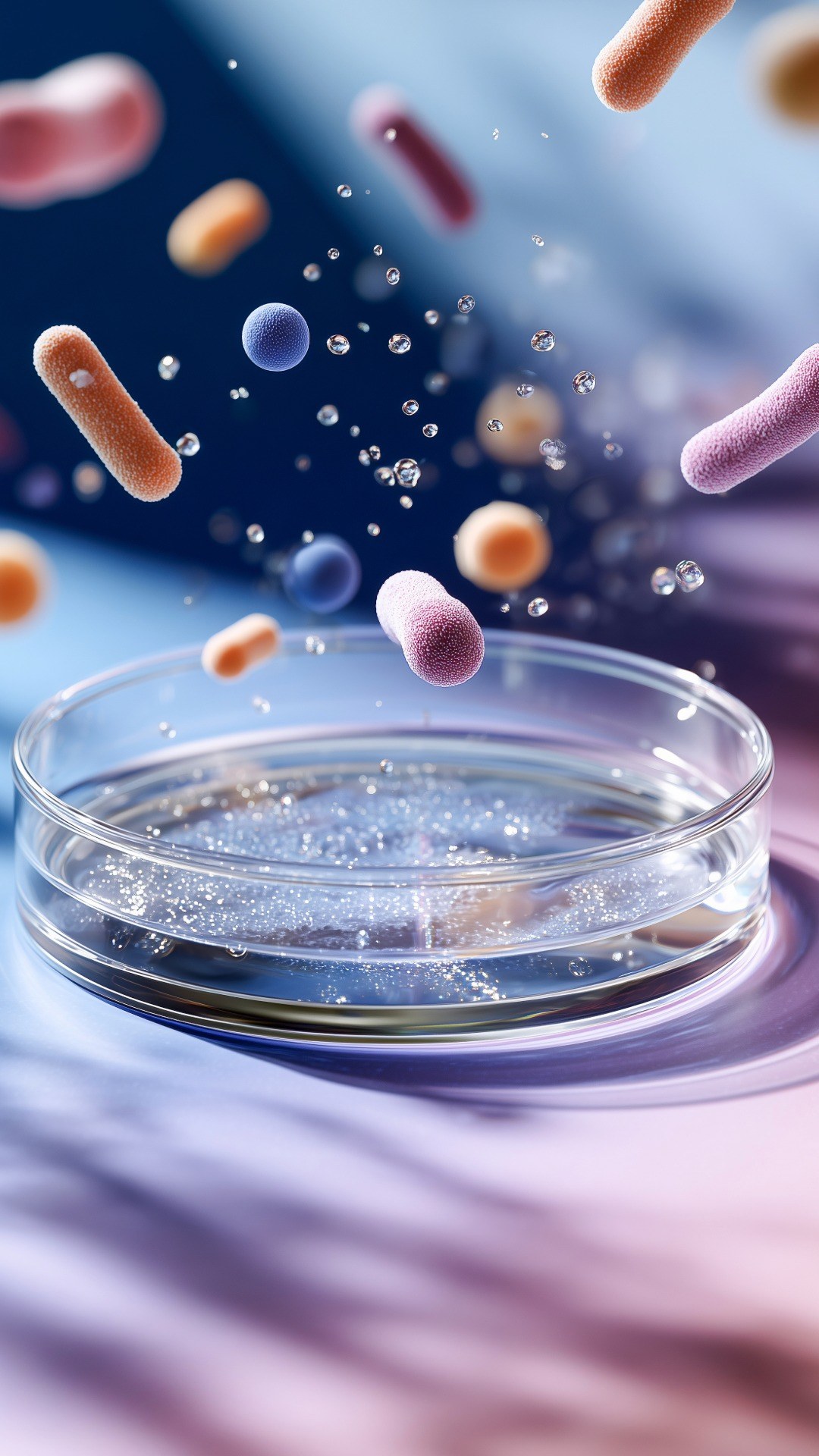
Research across multiple studies has identified consistent microbiome differences in people with anxiety and depression:

Reduced Lactobacillus and Bifidobacterium — The most consistently reported findings across depression studies. These species support neurotransmitter synthesis and immune modulation relevant to mood.

Reduced Faecalibacterium prausnitzii — This anti-inflammatory butyrate producer is lower in people with depression, consistent with the inflammation-depression connection.

Reduced microbial diversity — Multiple studies find lower overall diversity in people with both anxiety and depression, particularly when symptoms are severe.

Elevated Proteobacteria — Associated with systemic inflammation; elevated in some depression research.

Altered tryptophan metabolism — Certain gut bacteria divert tryptophan toward inflammatory pathways (producing quinolinic acid, a neurotoxic compound) rather than the serotonin pathway. Microbiome profiles that favor inflammatory tryptophan metabolism may reduce serotonin availability.

Research across multiple studies has identified consistent microbiome differences in people with anxiety and depression:

Reduced Lactobacillus and Bifidobacterium — The most consistently reported findings across depression studies. These species support neurotransmitter synthesis and immune modulation relevant to mood.

Reduced Faecalibacterium prausnitzii — This anti-inflammatory butyrate producer is lower in people with depression, consistent with the inflammation-depression connection.

Reduced microbial diversity — Multiple studies find lower overall diversity in people with both anxiety and depression, particularly when symptoms are severe.

Elevated Proteobacteria — Associated with systemic inflammation; elevated in some depression research.

Altered tryptophan metabolism — Certain gut bacteria divert tryptophan toward inflammatory pathways (producing quinolinic acid, a neurotoxic compound) rather than the serotonin pathway. Microbiome profiles that favor inflammatory tryptophan metabolism may reduce serotonin availability.

A Dietary Strategy for Gut-Brain Mental Health

Dietary intervention targeting gut-brain mental health isn't a replacement for therapy, medication, or other established mental health treatments — but it can be a meaningful complementary strategy:

Mediterranean diet pattern — The SMILES trial demonstrated that a Mediterranean dietary intervention significantly reduced depression scores compared to social support alone. Mediterranean eating supports both mental health and a diverse, anti-inflammatory microbiome.

Fermented foods — Regular consumption of yogurt, kefir, kimchi, and other fermented foods is associated with lower anxiety and depression symptoms in observational studies. The 2021 Stanford study found fermented foods were the single most effective dietary intervention for increasing microbiome diversity.

Prebiotic fiber — Specific prebiotics supporting Lactobacillus and Bifidobacterium species (inulin, FOS, resistant starch) have shown anxiolytic effects in preliminary research.

Omega-3 fatty acids — EPA and DHA from fatty fish reduce neuroinflammation and have the strongest evidence base of any nutritional supplement for depression.

Reducing sugar and ultra-processed foods — Dietary sugar drives inflammatory dysbiosis associated with worse mental health outcomes. Reducing sugar intake is consistently associated with improved mood in short-term studies.

Your Nurish'd RD uses your microbiome results to prioritize the interventions most relevant to your specific microbial profile and mental health concerns.

Get Started with Your Microbiome Test

Is the microbiome test covered by insurance?
Microbiome testing is typically not covered by traditional health insurance. However, Nurish'd microbiome tests are HSA and FSA eligible — meaning you can use your pre-tax health savings account or flexible spending account dollars to cover the cost and reduce your effective out-of-pocket expense.

Good news on the clinical side: the registered dietitian sessions that accompany your results through Nurish'd are billable to most major insurance plans for qualifying diagnoses (diabetes, CKD, heart disease, obesity, eating disorders, and more). Many patients pay little to nothing for their RD sessions while paying out-of-pocket or through HSA/FSA for the test itself.

Ready to get started? Here's how:

New to Nurish'd?
Create your free account and order your microbiome test — receive your kit, complete your sample at home, and have results uploaded directly to your account. Book an RD session to interpret your results and build your personalized nutrition plan. HSA/FSA cards accepted at checkout.

Already a Nurish'd member?
Purchase your microbiome test here — your results sync automatically to your account. HSA/FSA eligible.

Want to learn more before you commit?
Explore our microbiome testing page — what we test for, how the process works, and what your results include.

Nurish'd is the only platform where your microbiome test results connect directly to a registered dietitian's interpretation and a personalized meal plan. The test is the starting point — what you do with the results is what changes your health.

What Happens After Your Microbiome Test

Most microbiome tests hand you a PDF and leave you to figure it out. Nurish'd does something fundamentally different. After your sample is processed and your results are uploaded to your Nurish'd account, you connect with a registered dietitian who reviews your microbiome data in the context of your health history, current diet, symptoms, and goals. Your RD translates the science into a practical, personalized nutrition plan — specific foods, meal patterns, and dietary strategies targeted at your microbiome profile and your health condition. From there, Nurish'd's medically tailored meal delivery can bring that plan to life — meals designed around your microbiome results and your dietitian's recommendations, delivered fresh to your door. The test is the starting point. The nutrition plan is where the health outcomes happen.

Most microbiome tests hand you a PDF and leave you to figure it out. Nurish'd does something fundamentally different. After your sample is processed and your results are uploaded to your Nurish'd account, you connect with a registered dietitian who reviews your microbiome data in the context of your health history, current diet, symptoms, and goals. Your RD translates the science into a practical, personalized nutrition plan — specific foods, meal patterns, and dietary strategies targeted at your microbiome profile and your health condition. From there, Nurish'd's medically tailored meal delivery can bring that plan to life — meals designed around your microbiome results and your dietitian's recommendations, delivered fresh to your door. The test is the starting point. The nutrition plan is where the health outcomes happen.

Dietitian listeing to a client on a virtual appointment

45:38

Dietitian listeing to a client on a virtual appointment

45:38

Frequently Asked Questions

Can fixing my gut microbiome cure my anxiety or depression?
Microbiome-targeted dietary changes can be a meaningful part of a mental health support strategy, but are not a standalone treatment for clinical anxiety or depression. They work best alongside therapy, medication where indicated, and other lifestyle factors (sleep, exercise, stress management).

How long before dietary changes affect my mood?
Some people report mood improvements within 2–4 weeks of significant dietary changes. More reliable mental health outcomes from dietary interventions emerge over 8–12 weeks of consistent practice, consistent with the timeframe for microbiome shifts to influence neurotransmitter-related pathways.

Should I tell my mental health provider I'm doing microbiome testing?
Yes — integrating microbiome testing and dietary changes into your overall mental health care plan is most effective when your mental health provider is aware. Nurish'd's RDs can coordinate with other providers when appropriate.

Are psychobiotics (mental health probiotics) real?
The field of psychobiotics — specific probiotic strains targeting mental health — is an active and promising area of research. Early evidence supports certain Lactobacillus and Bifidobacterium strains for anxiety and mood. A Nurish'd RD can advise on evidence-based options based on your specific microbiome results.

Can fixing my gut microbiome cure my anxiety or depression?
Microbiome-targeted dietary changes can be a meaningful part of a mental health support strategy, but are not a standalone treatment for clinical anxiety or depression. They work best alongside therapy, medication where indicated, and other lifestyle factors (sleep, exercise, stress management).

How long before dietary changes affect my mood?
Some people report mood improvements within 2–4 weeks of significant dietary changes. More reliable mental health outcomes from dietary interventions emerge over 8–12 weeks of consistent practice, consistent with the timeframe for microbiome shifts to influence neurotransmitter-related pathways.

Should I tell my mental health provider I'm doing microbiome testing?
Yes — integrating microbiome testing and dietary changes into your overall mental health care plan is most effective when your mental health provider is aware. Nurish'd's RDs can coordinate with other providers when appropriate.

Are psychobiotics (mental health probiotics) real?
The field of psychobiotics — specific probiotic strains targeting mental health — is an active and promising area of research. Early evidence supports certain Lactobacillus and Bifidobacterium strains for anxiety and mood. A Nurish'd RD can advise on evidence-based options based on your specific microbiome results.