The Gut-Brain Connection: How Your Microbiome Affects Mental Health | Nurish'd
The Gut-Brain Connection: How Your Microbiome Affects Mental Health
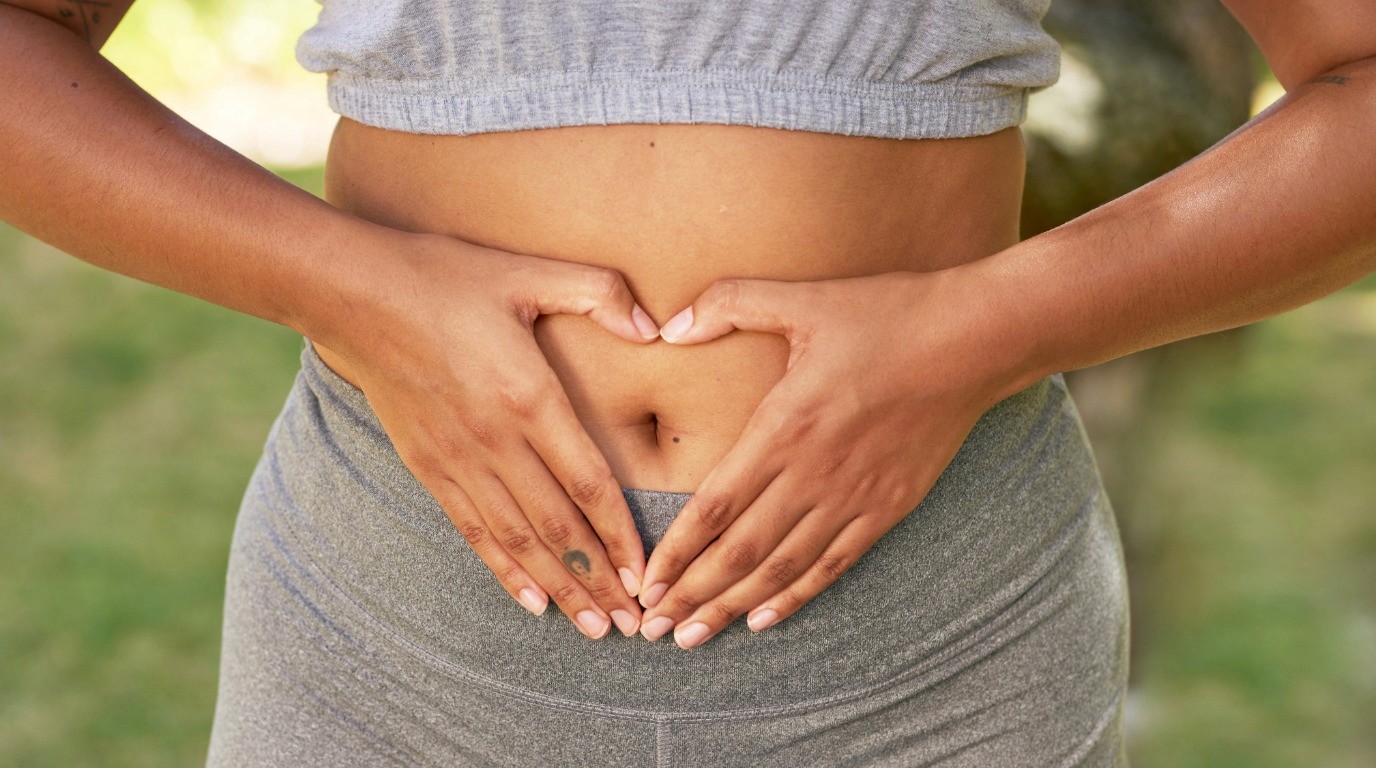
The idea that gut health affects mental health was once dismissed as folk medicine. Today, the gut-brain axis is one of the most active areas of neuroscience and nutrition research. Your gut and brain are connected through an extensive network of nerves, hormones, and immune signals — and the microorganisms living in your gut play a significant role in regulating this bidirectional communication. What you eat, which bacteria thrive in your gut, and how balanced your microbiome is all have measurable effects on mood, anxiety, cognitive function, and stress response.
Order Your Test Kit






How the Gut and Brain Communicate
The gut-brain axis is a complex two-way communication system that links the enteric nervous system (the "second brain" in your gut, containing more than 500 million neurons) to the central nervous system through several pathways:
The vagus nerve: The primary physical highway between gut and brain. Approximately 80–90% of vagal signals travel upward from gut to brain, meaning your gut is constantly sending information to your brain — including signals influenced by your microbiome.
Neurotransmitter production: Your gut produces an estimated 90–95% of the body's serotonin, along with significant quantities of dopamine precursors and GABA. Gut bacteria directly influence the production of these neurotransmitters through their metabolic activity.
Immune system signaling: Gut bacteria regulate immune activation and the production of inflammatory cytokines. Since inflammation is now recognized as a major factor in depression and anxiety, microbiome-driven inflammation has direct mental health implications.
The HPA axis: The hypothalamic-pituitary-adrenal axis regulates the stress response. Early microbiome colonization affects HPA axis calibration, and ongoing microbiome composition influences cortisol regulation and stress reactivity.
What the Research Shows on Microbiome and Mental Health
Dietary Strategies for Gut-Brain Health
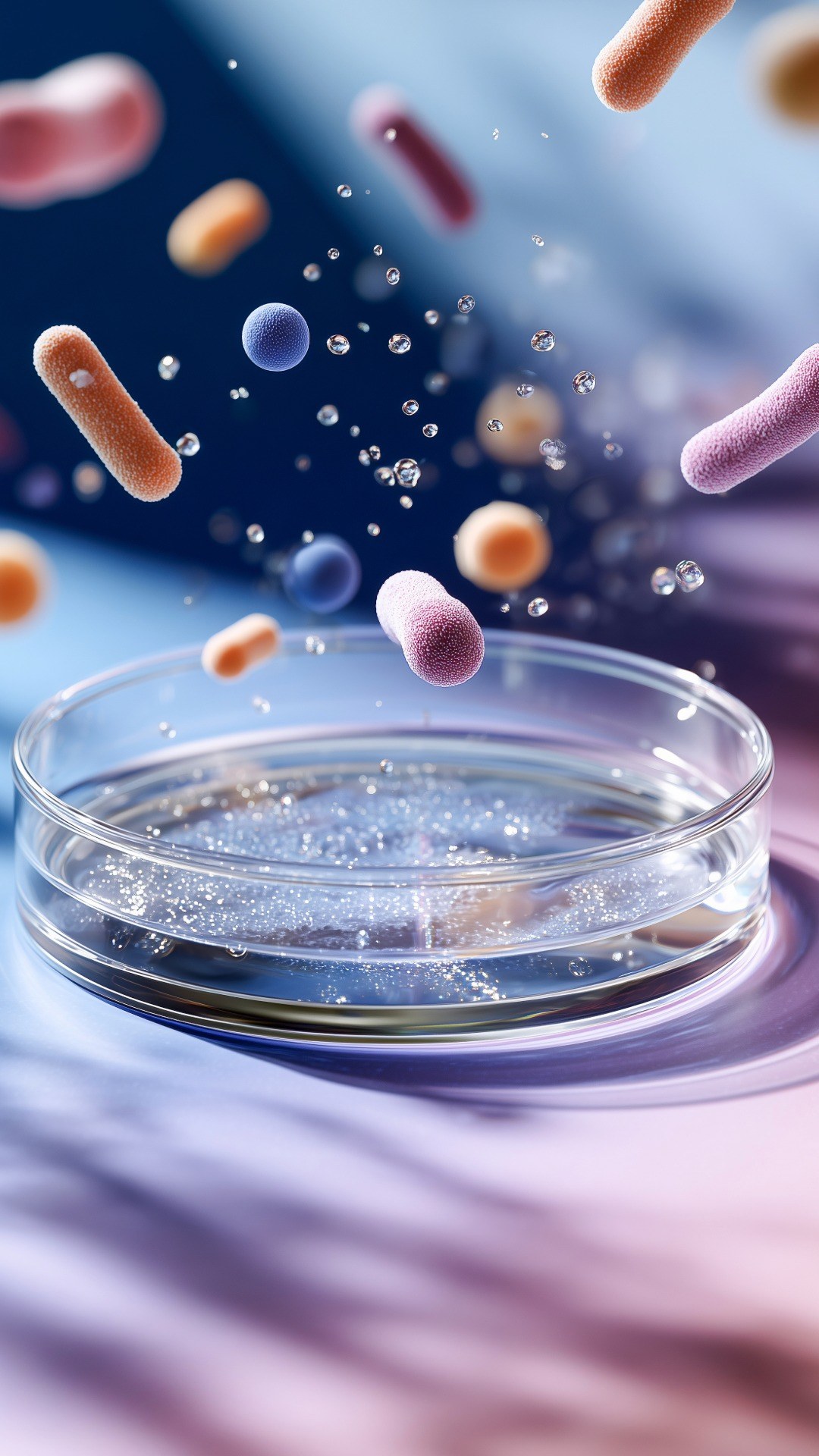
The dietary patterns best supported by research for both gut and mental health share strong overlap:
The Mediterranean diet — rich in vegetables, legumes, whole grains, fish, olive oil, and fermented dairy — is the most studied dietary pattern for mental health outcomes and consistently shows benefit in depression and anxiety research.
Fermented foods specifically support neurotransmitter-producing bacteria. Regular yogurt, kefir, kimchi, and other fermented food consumption is associated with lower anxiety and better mood in observational studies.
Omega-3 fatty acids from fatty fish (salmon, sardines, mackerel) reduce neuroinflammation and support gut barrier integrity — a key mechanism linking gut dysbiosis to depression.
Polyphenol-rich foods — berries, dark chocolate, green tea, olive oil — selectively feed bacteria that support serotonin production and reduce inflammatory signaling.
Reducing ultra-processed foods is associated with lower depression risk independent of other dietary factors — with mechanisms including microbiome disruption and increased gut permeability.
A Nurish'd microbiome test identifies which specific aspects of your gut ecosystem may be affecting your mental health, and your registered dietitian builds a personalized dietary strategy targeting those imbalances.
Get Started with Your Microbiome Test
Is the microbiome test covered by insurance?
Microbiome testing is typically not covered by traditional health insurance. However, Nurish'd microbiome tests are HSA and FSA eligible — meaning you can use your pre-tax health savings account or flexible spending account dollars to cover the cost and reduce your effective out-of-pocket expense.
Good news on the clinical side: the registered dietitian sessions that accompany your results through Nurish'd are billable to most major insurance plans for qualifying diagnoses (diabetes, CKD, heart disease, obesity, eating disorders, and more). Many patients pay little to nothing for their RD sessions while paying out-of-pocket or through HSA/FSA for the test itself.
Ready to get started? Here's how:
New to Nurish'd?
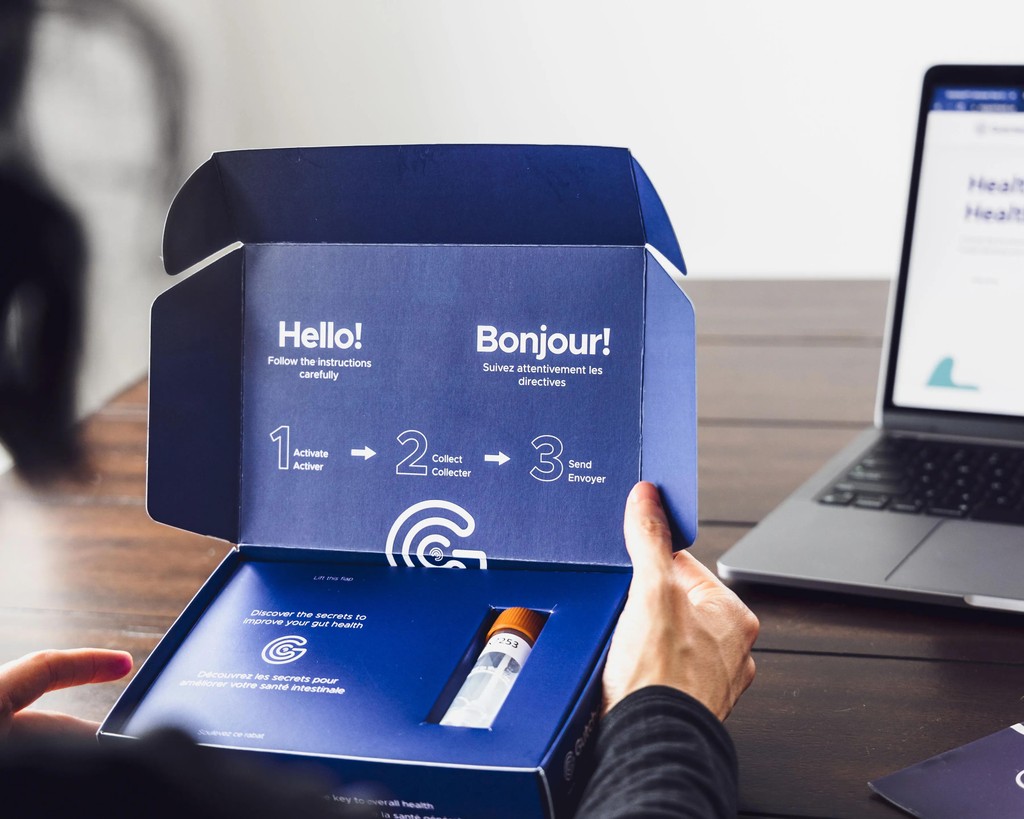
Create your free account and order your microbiome test — receive your kit, complete your sample at home, and have results uploaded directly to your account. Book an RD session to interpret your results and build your personalized nutrition plan. HSA/FSA cards accepted at checkout.
Already a Nurish'd member?
Purchase your microbiome test here — your results sync automatically to your account. HSA/FSA eligible.
Want to learn more before you commit?
Explore our microbiome testing page — what we test for, how the process works, and what your results include.
Nurish'd is the only platform where your microbiome test results connect directly to a registered dietitian's interpretation and a personalized meal plan. The test is the starting point — what you do with the results is what changes your health.
What Happens After Your Microbiome Test