IBS, IBD & Crohn's Disease Dietitian in Wildwood, MO | Nurish'd

Find a IBS, IBD & Crohn's Disease Dietitian in Wildwood, MO

IBS affects up to 15% of adults — making it one of the most common and most undertreated conditions in Wildwood and across MO. A registered dietitian specializing in functional gut disorders can help you identify your triggers, implement low-FODMAP correctly, and build a sustainable eating life. Nurish'd provides that through telehealth. Most appointments are fully covered by insurance, meaning your first session could cost you $0.*

Coverage and co-pay vary by plan.
Book an appointment

Book an appointment

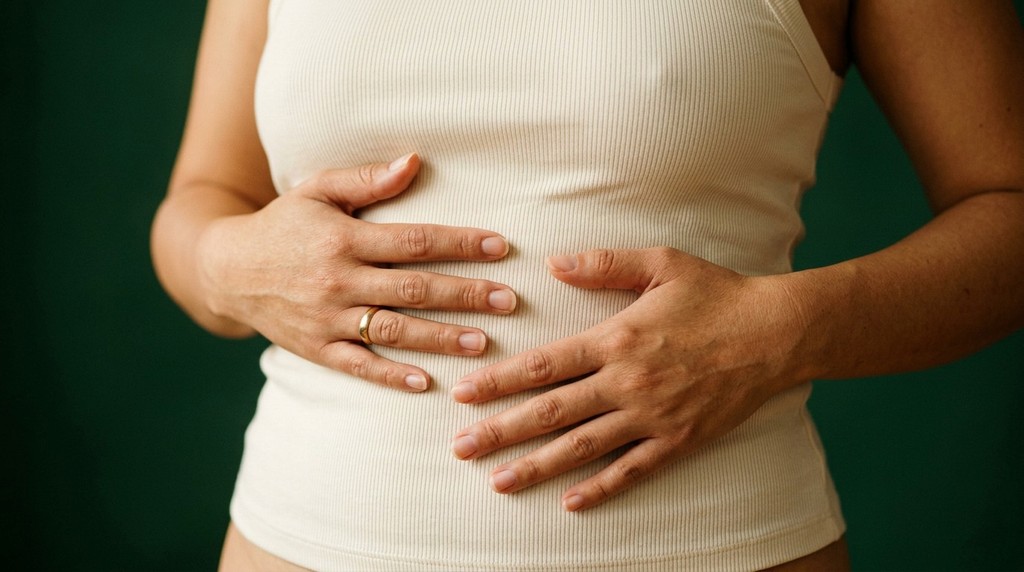
Image of a women holding her stomach

Join thousands getting expert dietitian support for:

$0*

*Dependent on your plan's coverage and co-pay structure.

What Is IBS, IBD & Crohn's Disease?

Irritable bowel syndrome (IBS), inflammatory bowel disease (IBD), and Crohn's disease are distinct but related GI conditions that affect millions of Americans — often chronically disrupting quality of life, nutritional status, and daily functioning. IBS is a functional gut disorder causing recurrent abdominal pain, bloating, diarrhea, or constipation without underlying inflammation or structural damage. It affects up to 15% of Americans. Crohn's disease and ulcerative colitis (the two main forms of IBD) involve chronic inflammation of the GI tract that can lead to serious complications including malnutrition, bowel strictures, and surgery. Diet plays a critical role in managing symptoms for all three conditions — and for each, the dietary approach is different and highly individualized.

How a Registered Dietitian Helps With IBS, IBD & Crohn's Disease

Gastrointestinal nutrition is one of the most specialized areas of dietetic practice, and for good reason — the right diet for one person's IBS can worsen another's. A Nurish'd GI-specialized registered dietitian will:

Guide you through the low-FODMAP diet — the most evidence-based dietary intervention for IBS, involving systematic elimination and reintroduction of fermentable carbohydrates to identify your personal triggers.

Identify your specific trigger foods — because GI conditions are highly individual, your RD uses structured approaches to pinpoint which specific foods worsen your symptoms.

Manage IBD flare nutrition — during Crohn's or UC flares, nutritional needs change dramatically; your RD navigates this complex terrain.

Address nutritional deficiencies — Crohn's disease in particular is associated with deficiencies in B12, iron, zinc, vitamin D, and other nutrients that require targeted repletion.

Support during IBD remission — the right diet during remission can help maintain it longer and support mucosal healing.

Navigate an elimination diet safely — avoiding unsupported over-restriction that leads to malnutrition.

Gastrointestinal nutrition is one of the most specialized areas of dietetic practice, and for good reason — the right diet for one person's IBS can worsen another's. A Nurish'd GI-specialized registered dietitian will:

Guide you through the low-FODMAP diet — the most evidence-based dietary intervention for IBS, involving systematic elimination and reintroduction of fermentable carbohydrates to identify your personal triggers.

Identify your specific trigger foods — because GI conditions are highly individual, your RD uses structured approaches to pinpoint which specific foods worsen your symptoms.

Manage IBD flare nutrition — during Crohn's or UC flares, nutritional needs change dramatically; your RD navigates this complex terrain.

Address nutritional deficiencies — Crohn's disease in particular is associated with deficiencies in B12, iron, zinc, vitamin D, and other nutrients that require targeted repletion.

Support during IBD remission — the right diet during remission can help maintain it longer and support mucosal healing.

Navigate an elimination diet safely — avoiding unsupported over-restriction that leads to malnutrition.

Dietitian listeing to a client on a virtual appointment

45:38

Dietitian listeing to a client on a virtual appointment

45:38

Is IBS, IBD & Crohn's Disease Nutrition Counseling Covered by Insurance?

Medical nutrition therapy is covered by most major insurance plans when tied to a specific medical condition — and this includes IBS, IBD & Crohn's Disease. Medicare, Medicaid, and the majority of commercial insurers cover dietitian visits for qualifying diagnoses. At Nurish'd, we verify your coverage before your first appointment so there are no surprises. Most patients in Wildwood pay $0 per session.*

Coverage and co-pay vary by plan.

Client talking to dietitian
What to Expect at Your First Appointment

Your first session with a Nurish'd GI condition dietitian is a comprehensive deep-dive into your health picture. Your RD will review your diagnosis, labs, current diet, medications, lifestyle, and goals — then build a nutrition plan that's specific to you, not a generic handout. You'll leave with clear, actionable steps you can start using the same day. Follow-up sessions keep your plan evolving as your labs improve and your confidence grows.

IBS, IBD & Crohn's Disease-Friendly Meals Delivered to Wildwood

Finding meals that don't trigger GI symptoms in Wildwood can feel like an impossible puzzle. Nurish'd makes it easier — delivering fresh, dietitian-designed meals that are developed with GI sensitivities in mind, with clear ingredient labeling so you always know exactly what you're eating. Whether you're in the elimination phase of low-FODMAP or managing Crohn's during remission, our meals can be an important part of your nutritional support — consistent, trustworthy, and built around whole ingredients. Pair your RD sessions with our delivery and you reduce the daily burden of GI-safe meal planning.

Frequently Asked Questions About IBS, IBD & Crohn's Disease and Nutrition

What is the low-FODMAP diet and does it actually work?
The low-FODMAP diet was developed at Monash University and is the most evidence-based dietary approach for IBS. It involves reducing specific types of fermentable carbohydrates that are poorly absorbed in the small intestine and fermented by gut bacteria, causing symptoms. Research shows it improves symptoms in 50-75% of IBS patients. However, it must be done correctly with professional guidance — improperly implemented, it can lead to unnecessary restriction and nutritional gaps.

Should I follow a specific diet if I have Crohn's disease?
There's no single "Crohn's diet" — dietary needs vary enormously based on disease location, activity, surgical history, and individual tolerance. Working with a GI-specialized dietitian is the only way to get a plan that's actually appropriate for your specific situation.

Can certain foods cause IBD flares?
Individual trigger foods vary greatly between IBD patients. Common culprits include high-fiber raw vegetables, dairy, spicy foods, and alcohol — but triggers are highly personal. A registered dietitian can help you use a structured food and symptom diary to identify yours.

I've tried eliminating lots of foods but still have symptoms. What should I do?
Over-restriction without professional guidance is extremely common in GI conditions — and it often leads to malnutrition without meaningful symptom improvement. A Nurish'd GI dietitian can assess your current diet, identify what's actually necessary to eliminate, and help you restore nutritional adequacy.

Is nutrition counseling for IBS/IBD covered by insurance?
Yes — most insurance plans cover medical nutrition therapy for inflammatory bowel disease and related GI conditions. IBS coverage varies by plan. We verify your specific benefits before your first appointment.

What is the low-FODMAP diet and does it actually work?
The low-FODMAP diet was developed at Monash University and is the most evidence-based dietary approach for IBS. It involves reducing specific types of fermentable carbohydrates that are poorly absorbed in the small intestine and fermented by gut bacteria, causing symptoms. Research shows it improves symptoms in 50-75% of IBS patients. However, it must be done correctly with professional guidance — improperly implemented, it can lead to unnecessary restriction and nutritional gaps.

Should I follow a specific diet if I have Crohn's disease?
There's no single "Crohn's diet" — dietary needs vary enormously based on disease location, activity, surgical history, and individual tolerance. Working with a GI-specialized dietitian is the only way to get a plan that's actually appropriate for your specific situation.

Can certain foods cause IBD flares?
Individual trigger foods vary greatly between IBD patients. Common culprits include high-fiber raw vegetables, dairy, spicy foods, and alcohol — but triggers are highly personal. A registered dietitian can help you use a structured food and symptom diary to identify yours.

I've tried eliminating lots of foods but still have symptoms. What should I do?
Over-restriction without professional guidance is extremely common in GI conditions — and it often leads to malnutrition without meaningful symptom improvement. A Nurish'd GI dietitian can assess your current diet, identify what's actually necessary to eliminate, and help you restore nutritional adequacy.

Is nutrition counseling for IBS/IBD covered by insurance?
Yes — most insurance plans cover medical nutrition therapy for inflammatory bowel disease and related GI conditions. IBS coverage varies by plan. We verify your specific benefits before your first appointment.

Explore More From Nurish'd